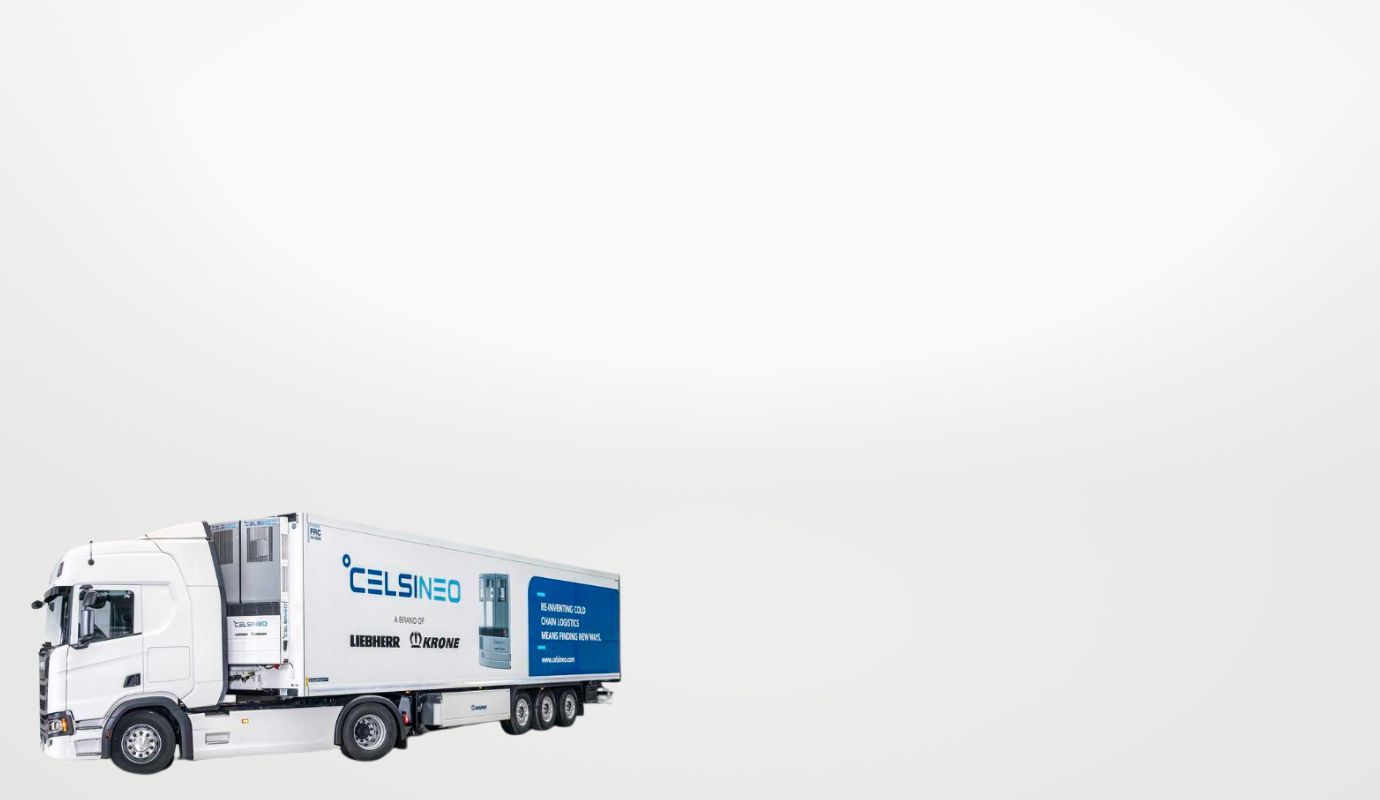
As part of a multi-year development project to further develop an innovative refrigerated trailer, CO Improve supported a leading commercial vehicle manufacturer with agile expertise and methodological support. The task was to stabilise interdisciplinary collaboration within a central development team in terms of structure and methodology – with the aim of strengthening self-organisation and significantly increasing effectiveness in product development.
Initial situation
Project gets off to a bumpy start due to lack of clarity and structure
At the start of the project, teamwork was characterised by a lack of transparency, unclear roles and poorly structured coordination. Decisions were delayed, priorities changed frequently, and there was a lack of common understanding about goals, working methods and responsibilities. Time-to-market was difficult to calculate, as unclear planning and insufficient feedback from the development team repeatedly led to loops and delays. The involvement of adjacent areas was late or sporadic, which made coordination difficult and necessitated rework. In addition, meetings were often inefficient – there was a lack of clear formats, regularity and focus on results. Overall, there was a high degree of friction, which significantly hampered the team's innovative strength and ability to implement ideas.
Procedure and support provided by CO Improve
Agile development anchored with structure, focus and personal responsibility
We provided support for more than two years, working closely with the operational development process. During this time, a functional agile development process was established that was specifically geared towards the requirements of the prototype phase. Together with the team, we established standardised routines such as planning, daily reviews and retrospectives – always tailored to the specific work situation on site. In addition, a digital project management tool was introduced, which enabled transparency regarding goals, progress and priorities and significantly increased commitment within the team.
A key lever was the introduction of agile stage planning based on the deliverables of the existing product development process. This made it possible to combine classic development specifications with an incremental approach. The teams were able to focus specifically on defined stage goals, thereby gaining both planning security and implementation precision. Stage planning became the connecting element between the classic product structure and the agile working method in everyday project work.
Another focus was on consistently promoting self-organisation: clear target visions, regular reflection sessions and conscious prioritisation helped to strengthen personal responsibility and team focus in the long term. The retrospectives developed into an effective tool for continuous improvement. At the same time, cross-departmental cooperation was expanded through the early integration of related departments – especially in preparation for the pilot series.
Results
Agility leads to greater maturity, speed and focus in product development
The agile working method contributed significantly to noticeably increasing planning accuracy and implementation speed across several development cycles. Teamwork became significantly more structured, efficient and clear – the level of maturity in dealing with agile principles grew visibly. As a result, product development became more resilient, transparent and efficient overall. The phased structure also created a robust orientation framework that guided the team safely through the prototype phase and effectively prepared for the transition to pre-production.
Project details:
The project was carried out on site at the customer's premises over a period of 26 months with a total of 225 consulting days. Andreas Grohmann was responsible for project management on behalf of CO Improve.
Conclusion
Agility works – especially in complex development environments
The project proves that agile methods are highly effective, especially in complex development environments – particularly when they are cleverly linked to existing processes. They create clarity, promote personal responsibility and enable focused, adaptable collaboration across departmental boundaries.
Our Customer
Your satisfaction